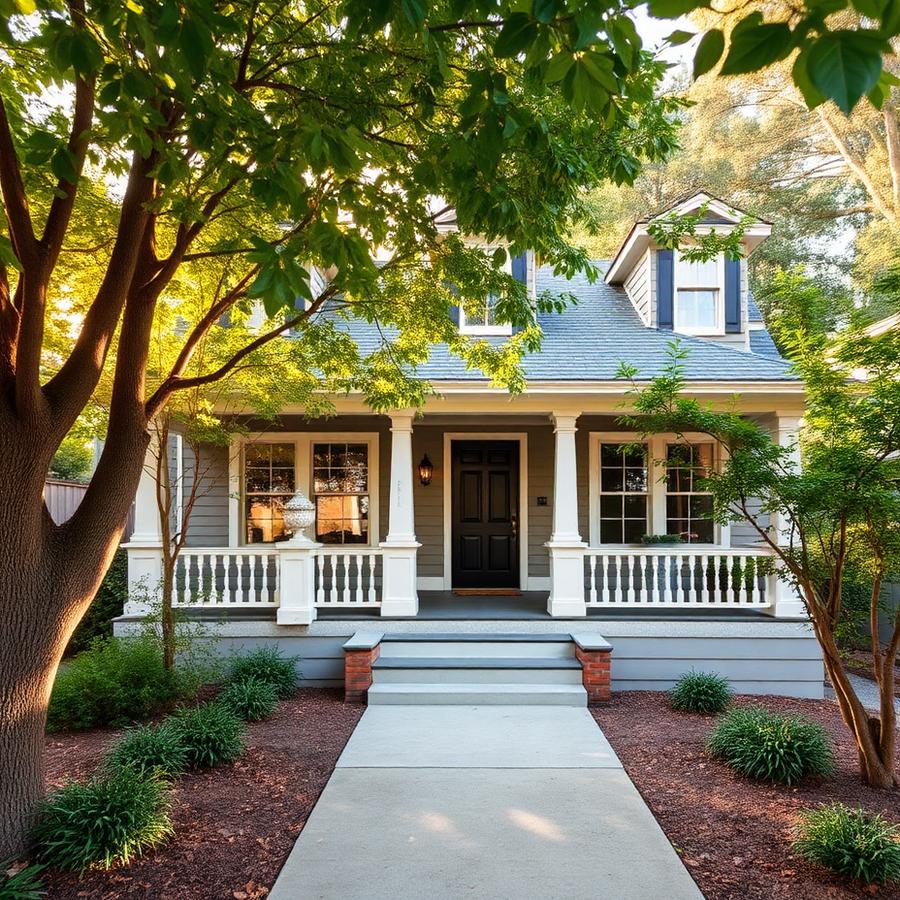
Virginia-Highland
1910s–1930s bungalows on walkable, tree-lined blocks near Piedmont Park and the BeltLine Eastside Trail. Small lots, high walkability, strong resale.
Read the guide
Buyer's Guide
A working guide to the Atlanta market, the neighborhoods worth knowing, the step-by-step purchase process in Georgia, and how buyers actually finance it — written by Justin Longenbach, a Realtor here since 2006.
Atlanta is not one market. Intown neighborhoods inside the I-285 perimeter — Virginia-Highland, Morningside, Druid Hills, Inman Park, Old Fourth Ward, Midtown — trade on walkability, architecture and scarcity of land, and they behave very differently from suburban Cobb, Gwinnett or Henry County, where new construction and lot size set the pace.
Two forces shape almost every intown transaction. First, supply: these neighborhoods were built out a century ago, so inventory is finite and well-priced homes in desirable pockets still move quickly even when the broader market slows. Second, condition: the housing stock is old, and the gap between a renovated house and an original one is often larger than the gap between two nearby neighborhoods.
Rates matter, but timing the rate market is a losing strategy. Buyers who do well here are the ones who get their financing genuinely ready, know their target blocks cold, and can move within days when the right house appears.
A short orientation to four intown areas. Values move block to block, so treat these as a starting point rather than a verdict.
1910s–1930s bungalows on walkable, tree-lined blocks near Piedmont Park and the BeltLine Eastside Trail. Small lots, high walkability, strong resale.
Read the guide
Olmsted-planned parkways and landmark-quality early-1900s homes on large lots. Much of it sits inside a historic district, which affects exterior renovation.
Read the guide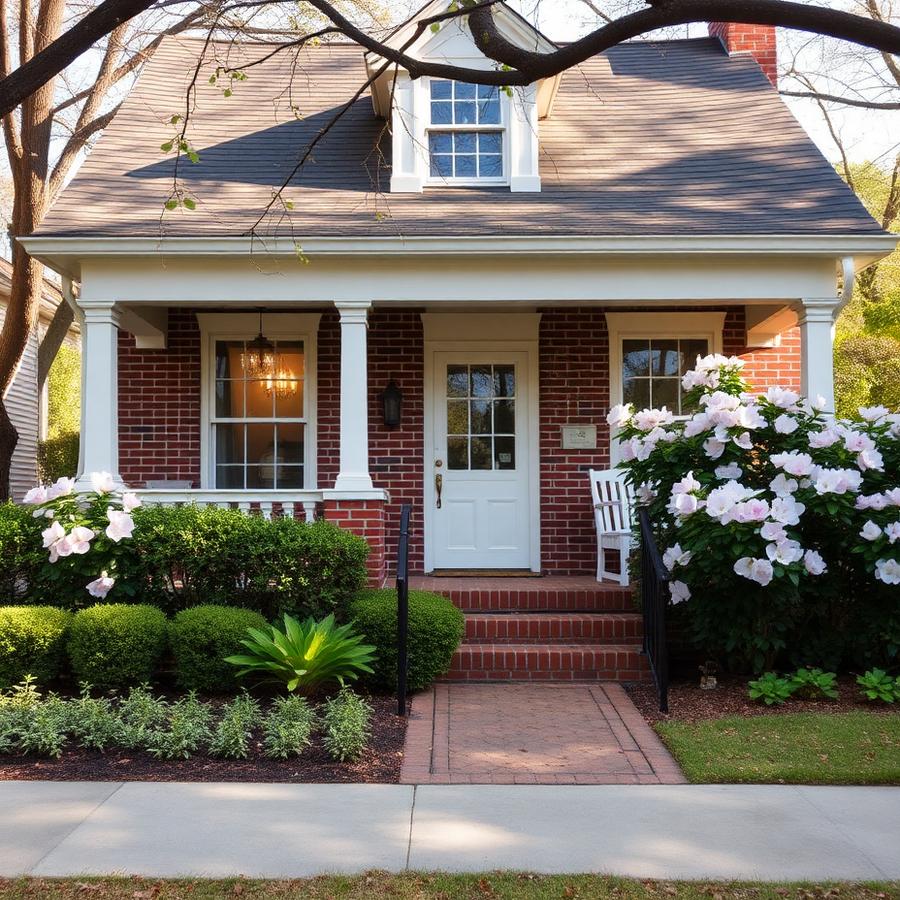
Family-oriented, quieter than Virginia-Highland, with Tudor and Colonial stock, deeper yards and steady demand tied to the neighborhood elementary.

The widest range in the city — mid-rise and high-rise condos through estate properties on acreage. Buy criteria differ sharply between those two ends.
The process
A pre-qualification is a conversation; an underwritten pre-approval is a lender decision with income, assets and credit already reviewed. In competitive Atlanta price bands, the underwritten letter is what makes a listing agent treat your offer as real. Ask your lender for the letter, the estimated monthly payment at two or three price points, and a cash-to-close figure.
Atlanta values change street to street — school attendance lines, BeltLine proximity, historic district boundaries and even one busy corridor can move price per square foot substantially. We narrow to specific blocks and pockets, then set alerts so you see homes the day they list rather than the week they trend.
Most intown Atlanta housing stock is pre-1950. Foundations, knob-and-tube or aluminum wiring, original galvanized plumbing, drainage and additions built without permits are the recurring issues. With an architecture and design background, I flag likely renovation costs while we walk, before you fall for a kitchen.
Price is one of several levers. Earnest money, the length of the due diligence period, closing date, appraisal language, seller rent-back and who pays what at closing all move the odds. We build the offer around what the seller actually needs, which frequently wins over a slightly higher number.
Georgia contracts typically include a negotiated due diligence period during which the buyer may terminate for any reason and recover earnest money. That window is when inspections, specialty evaluations, survey questions, insurance quotes and HOA document review happen. We schedule inspectors immediately so there is time to renegotiate rather than react.
Georgia is an attorney-closing state — the closing is conducted at a law firm rather than a title company. Between binding agreement and closing, expect appraisal, loan underwriting conditions, title examination, a survey if ordered, and a final walkthrough. Keep your finances static: no new credit, no large deposits, no job changes.
The default for most Atlanta buyers. As little as 3–5% down for qualified buyers, though 10–20% is common intown. Private mortgage insurance applies below 20% down and drops off as equity builds.
Lower down payment and more flexible credit requirements, with mortgage insurance for the life of most loans. Property condition standards can be a hurdle on unrenovated older homes.
For eligible service members and veterans: no down payment, no monthly mortgage insurance, and competitive rates. Strong option in Atlanta given the regional military presence.
Above the conforming loan limit, which many intown Atlanta and Buckhead purchases exceed. Expect larger reserves, tighter documentation and lender-specific appraisal requirements.
FHA 203(k) and conventional renovation loans roll purchase and rehab into one loan. Worth considering on a well-located Atlanta house that needs systems and a kitchen.
Georgia Dream and Invest Atlanta programs offer down payment help to income-qualified buyers. Eligibility, purchase-price caps and terms change, so confirm current details with a participating lender.
Loan terms, program limits and assistance eligibility change frequently. Confirm specifics with a licensed Georgia lender; I'm happy to make introductions.
Run the numbers
Adjust price, down payment, rate and term to see an estimated monthly payment including taxes, insurance and mortgage insurance. Atlanta property tax rates commonly land near 1% of value, and homestead exemptions lower the bill on a primary residence.
Estimated monthly payment
$4,028
$520,000 loan over 30 years at 6.50%
Estimates only, for planning purposes. Actual payment depends on your lender's rate, credit, escrow, county millage and exemptions. Not a loan offer or commitment.
Typical ranges for an Atlanta purchase. Figures vary by price point, lender and county.
| Item | Typical | Notes |
|---|---|---|
| Earnest money | ~1% of price | Held in escrow, credited at closing |
| Due diligence fee | Negotiable | Common in competitive offers; usually non-refundable |
| Home inspection | $400–$800 | More for large or historic homes |
| Appraisal | $550–$900 | Lender-ordered, buyer-paid |
| Closing costs | ~2–4% of price | Lender fees, attorney, title insurance, prepaids |
| Property taxes | Varies by county | Fulton and DeKalb differ; homestead exemption reduces the bill |
Tell me what you're looking for and I'll tell you honestly what it costs, what's realistic, and which blocks to watch. No pressure and no lead routing to strangers.