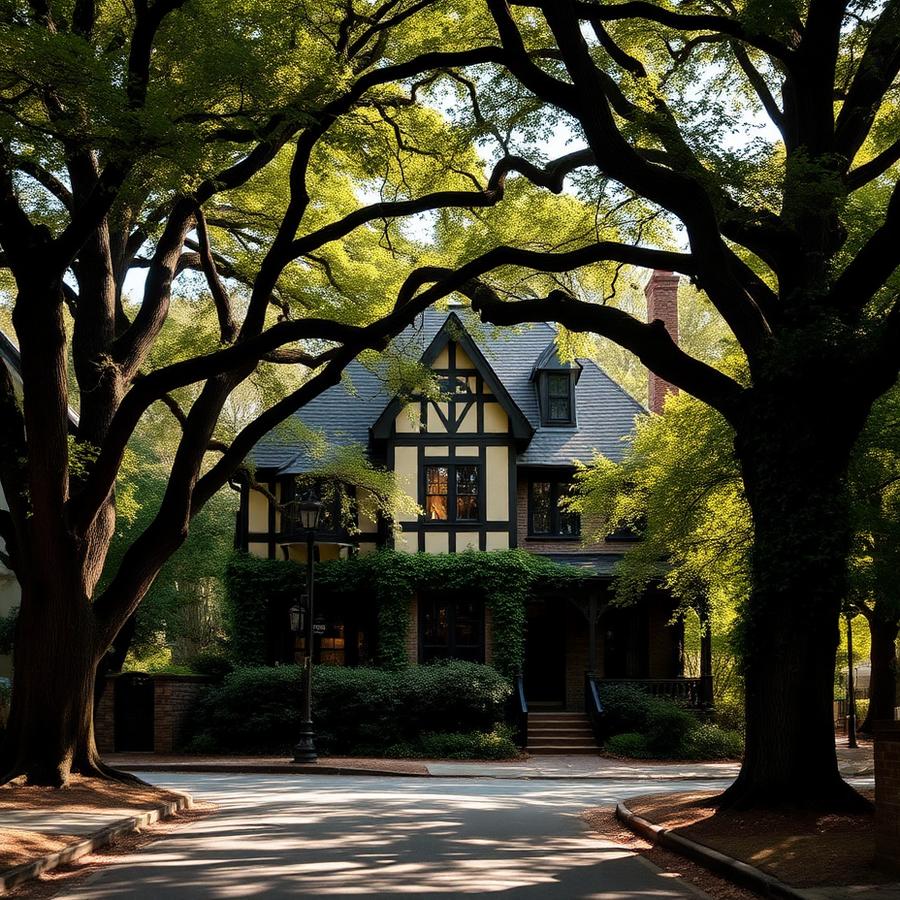
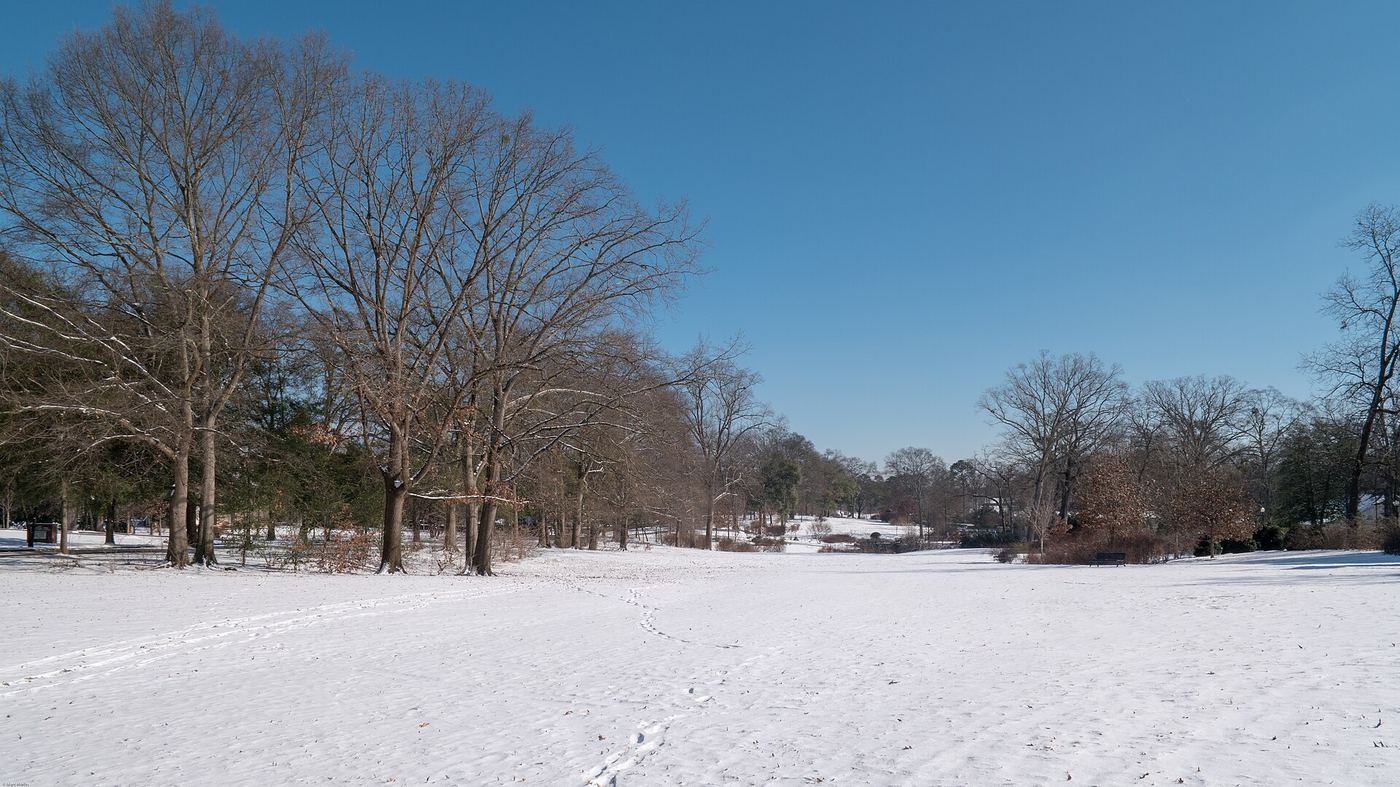
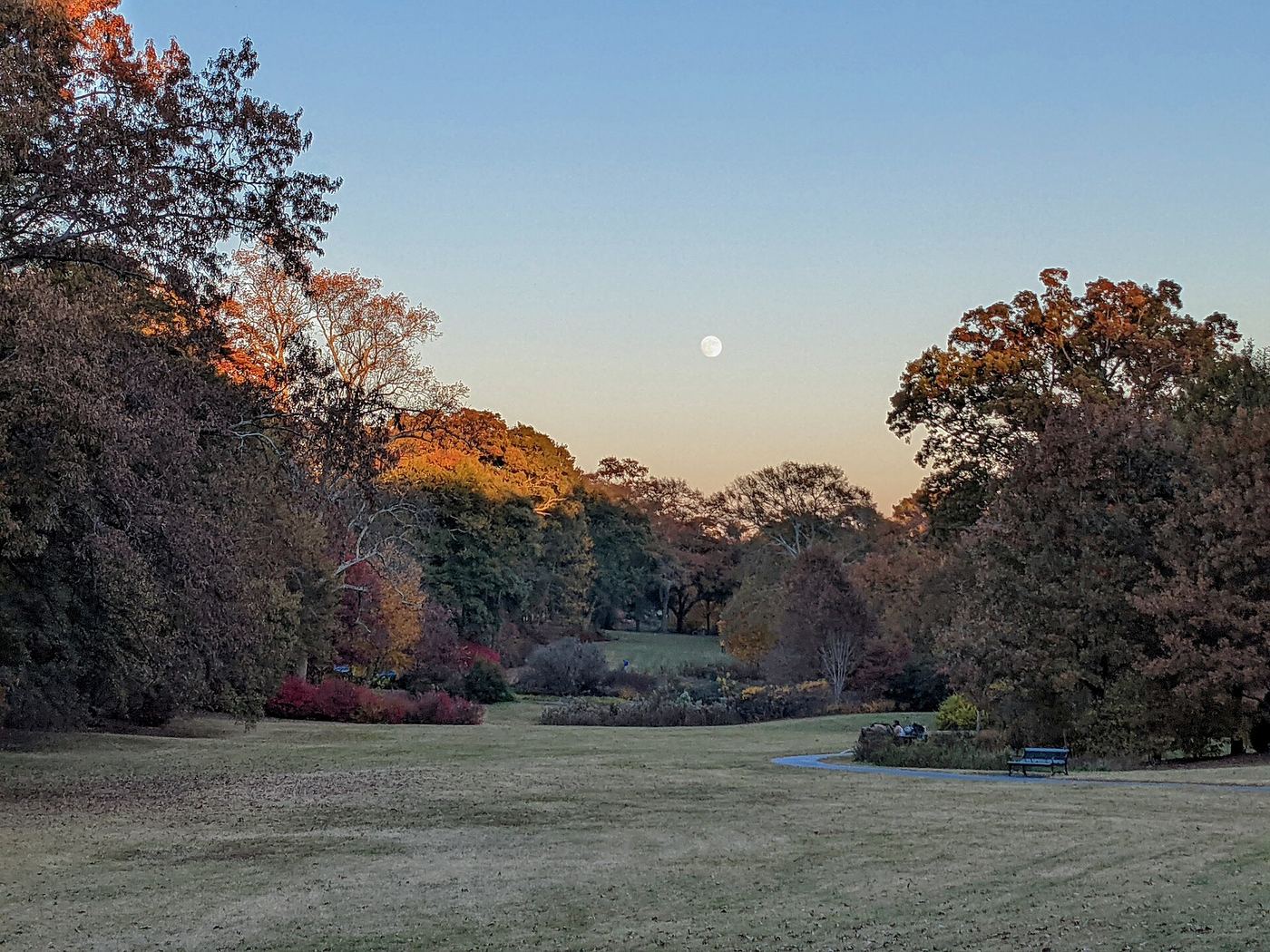
Druid Hills is Atlanta's landmark planned suburb, laid out at the turn of the twentieth century with the involvement of the Frederick Law Olmsted firm and developed largely between 1900 and 1930. Its defining feature is the linear chain of Olmsted-designed parks running along Ponce de Leon Avenue — Springdale, Virgilee, Oak Grove, Shadyside, Dellwood and Deepdene — with grand houses set back on deep, rolling, heavily wooded lots.
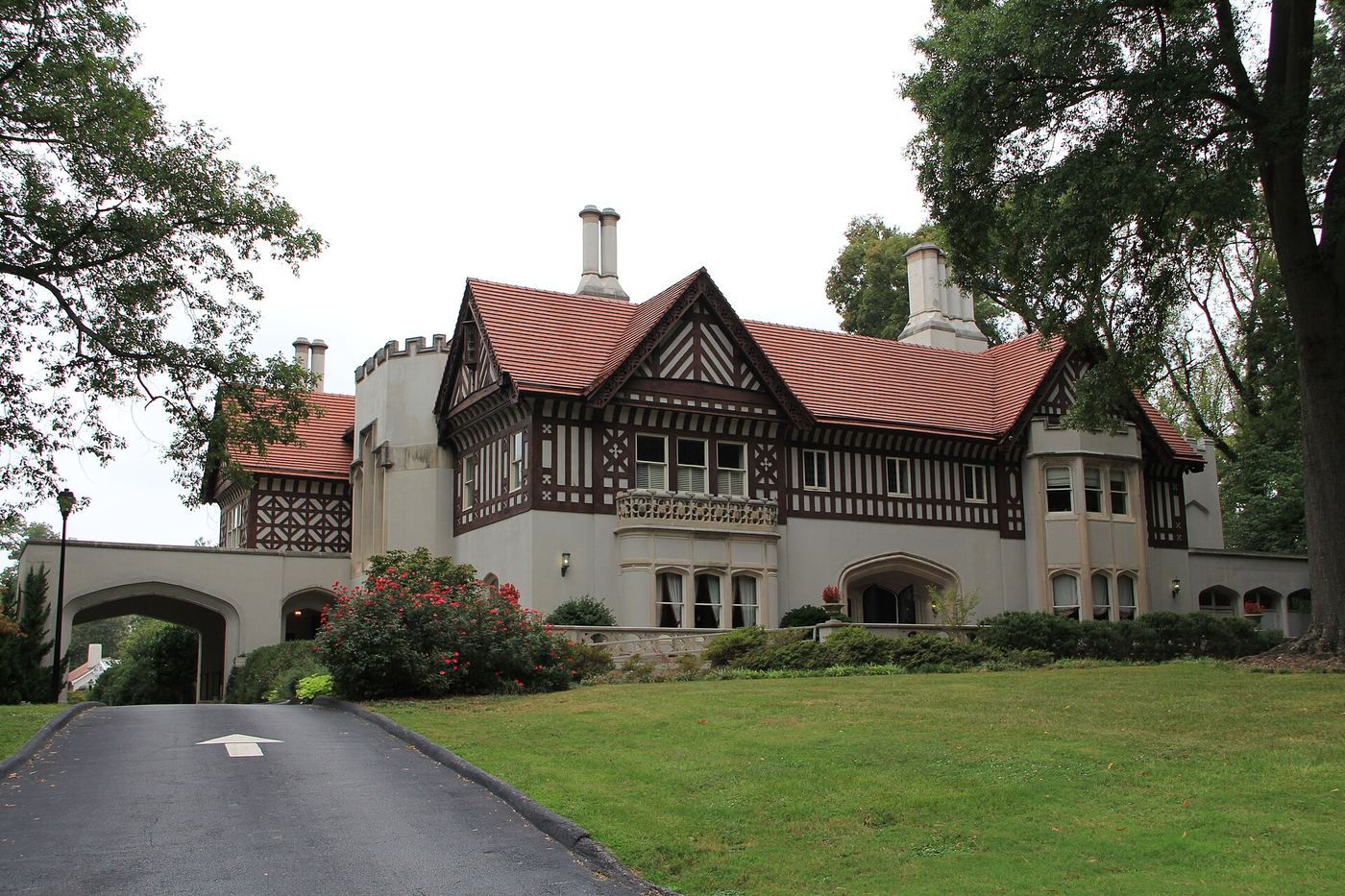
The architecture is the most varied and the most substantial on the east side: Georgian and Colonial Revival, Tudor, Italian Renaissance Revival, Craftsman and Prairie-influenced houses, many by named Atlanta architects of the period, alongside smaller cottages on the side streets and mid-century houses in the later sections. Much of the area is a National Register historic district, and the portions inside the City of Atlanta carry local historic district protections that regulate exterior alterations and new construction.
Druid Hills is split between two jurisdictions, and that matters practically. Some of it lies inside the City of Atlanta in Fulton and DeKalb, and a large share is unincorporated DeKalb County, which means different school systems, different permitting authorities and different tax bills street by street. Always confirm jurisdiction and school district for a specific address rather than assuming from the neighborhood name.
Emory University, Emory University Hospital, Children's Healthcare of Atlanta and the CDC sit at the neighborhood's eastern side, which anchors demand from physicians, faculty and researchers and keeps the market unusually stable. Justin Longenbach has worked this corridor since 2006 and understands both the historic-district review process and what a hundred-year-old house on a sloped, wooded lot actually costs to bring current.