The King Historical Park
The Martin Luther King Jr. National Historical Park on Auburn Avenue preserves Dr. King's birth home, Ebenezer Baptist Church, the King Center and his tomb — a National Park Service site inside the neighborhood.
Neighborhood Guide
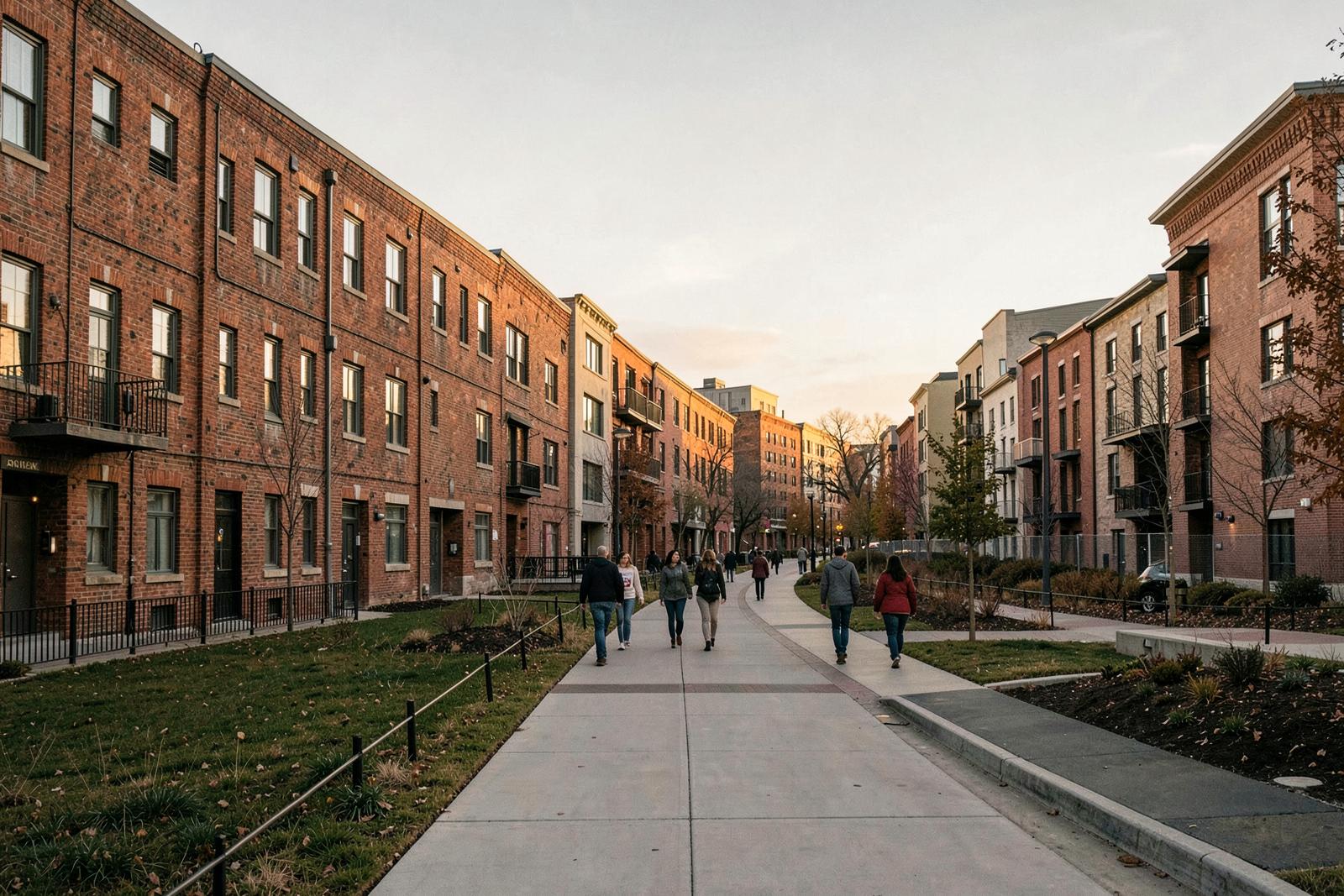
The densest concentration of BeltLine-era development in the city, wrapped around one of Atlanta's most historically significant neighborhoods — where a 1910 shotgun cottage and a new steel-and-glass townhome can share a block.
Neighborhood Overview
Historic Ground, the BeltLine's Busiest Mile
Old Fourth Ward sits immediately east of downtown Atlanta, between the Ponce de Leon corridor to the north and the Edgewood and Auburn Avenue corridors to the south. It is one of the most historically significant neighborhoods in the country: Martin Luther King Jr. was born on Auburn Avenue, and the Martin Luther King Jr. National Historical Park preserves his birth home, Ebenezer Baptist Church and the King Center within the neighborhood.
Housing here is the most varied in intown Atlanta. Original shotgun houses, Victorian cottages and 1920s bungalows sit blocks away from converted industrial lofts, mid-rise condominium buildings, dense townhome developments and new apartment construction along the BeltLine. That range means Old Fourth Ward serves buyers from first-time condo purchasers to people restoring a hundred-and-twenty-year-old house.
The neighborhood's modern transformation is a BeltLine story. Historic Fourth Ward Park, built around a stormwater retention pond that solved a chronic flooding problem, opened in 2011 and pulled development east from Ponce City Market. Today the Eastside Trail through Old Fourth Ward is the busiest stretch of the entire BeltLine, with Ponce City Market at its northern end and Krog Street Market just south.
Old Fourth Ward is also the most actively changing market on this list, which cuts both ways. Justin Longenbach has worked the east side since 2006 and can tell you which blocks have stabilized, where new construction is still coming, and what a specific address is realistically worth once the current wave of building finishes.
1890s–present
Typical Era
30312 / 30308
Primary ZIP
Fulton
County
Urban, mixed
Character
The Martin Luther King Jr. National Historical Park on Auburn Avenue preserves Dr. King's birth home, Ebenezer Baptist Church, the King Center and his tomb — a National Park Service site inside the neighborhood.
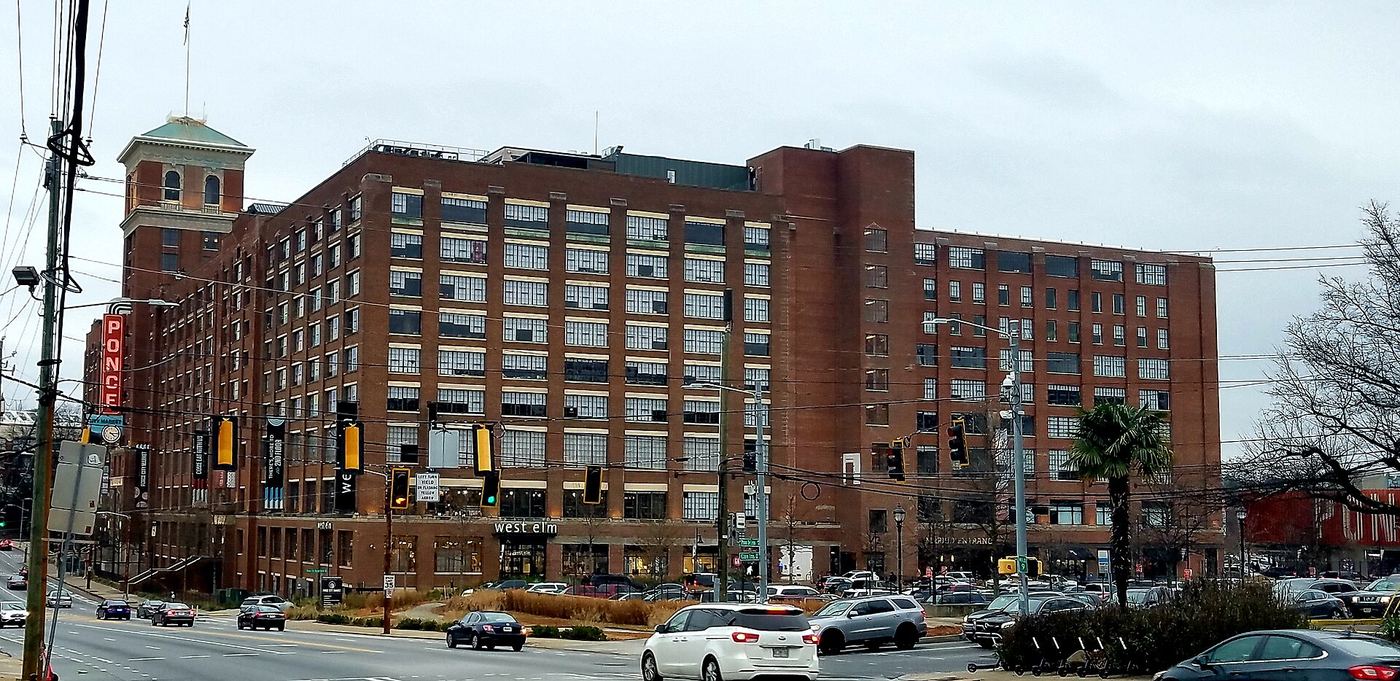
The 2.1-million-square-foot former Sears building on Ponce, now a food hall, offices, shops and residences, with the Skyline Park rooftop and direct BeltLine access at its rear.
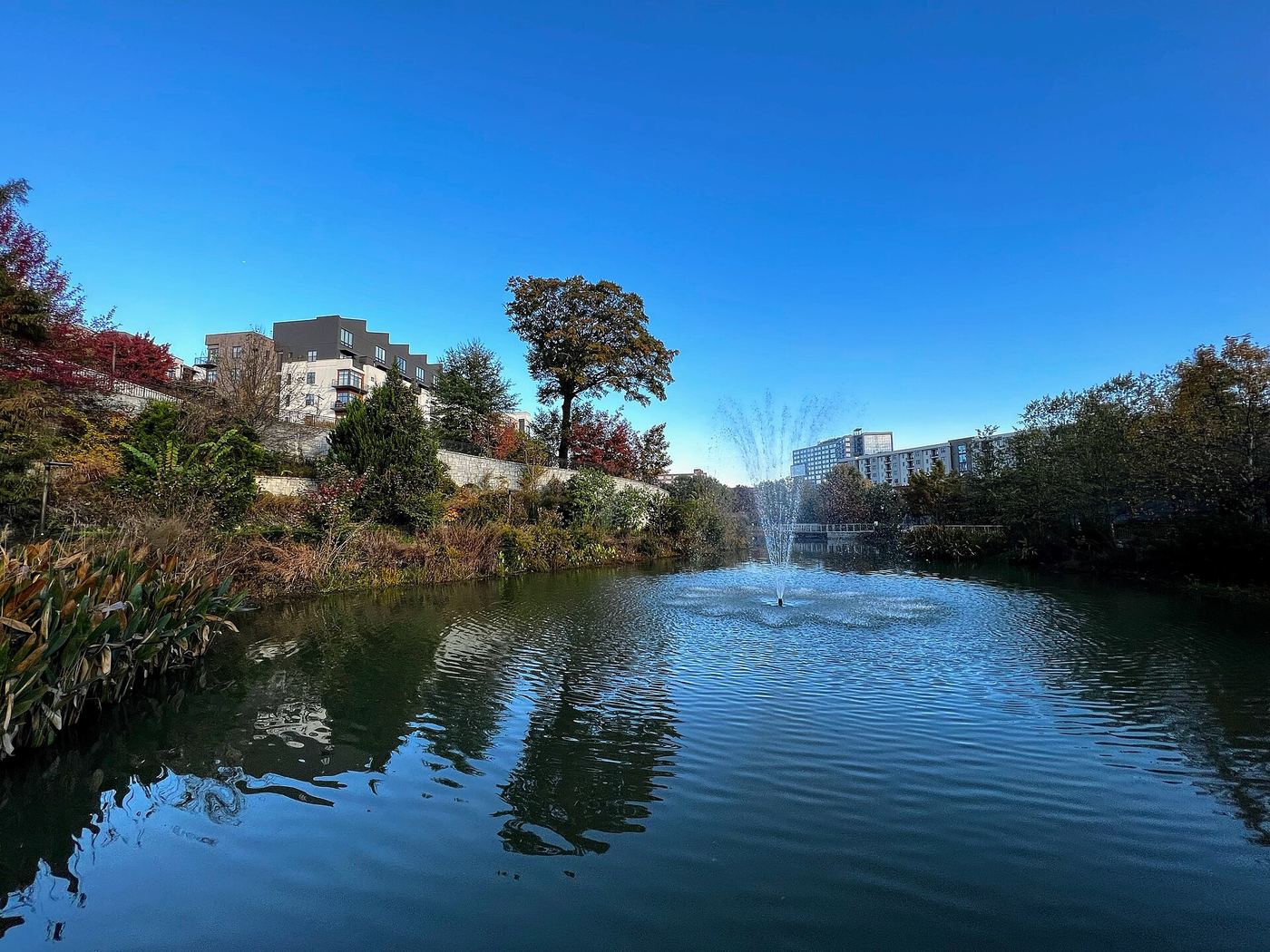
A seventeen-acre park built around a stormwater retention lake, with an amphitheater, a splash pad and one of the city's best-known skate parks. It solved a flooding problem and created a neighborhood center at the same time.
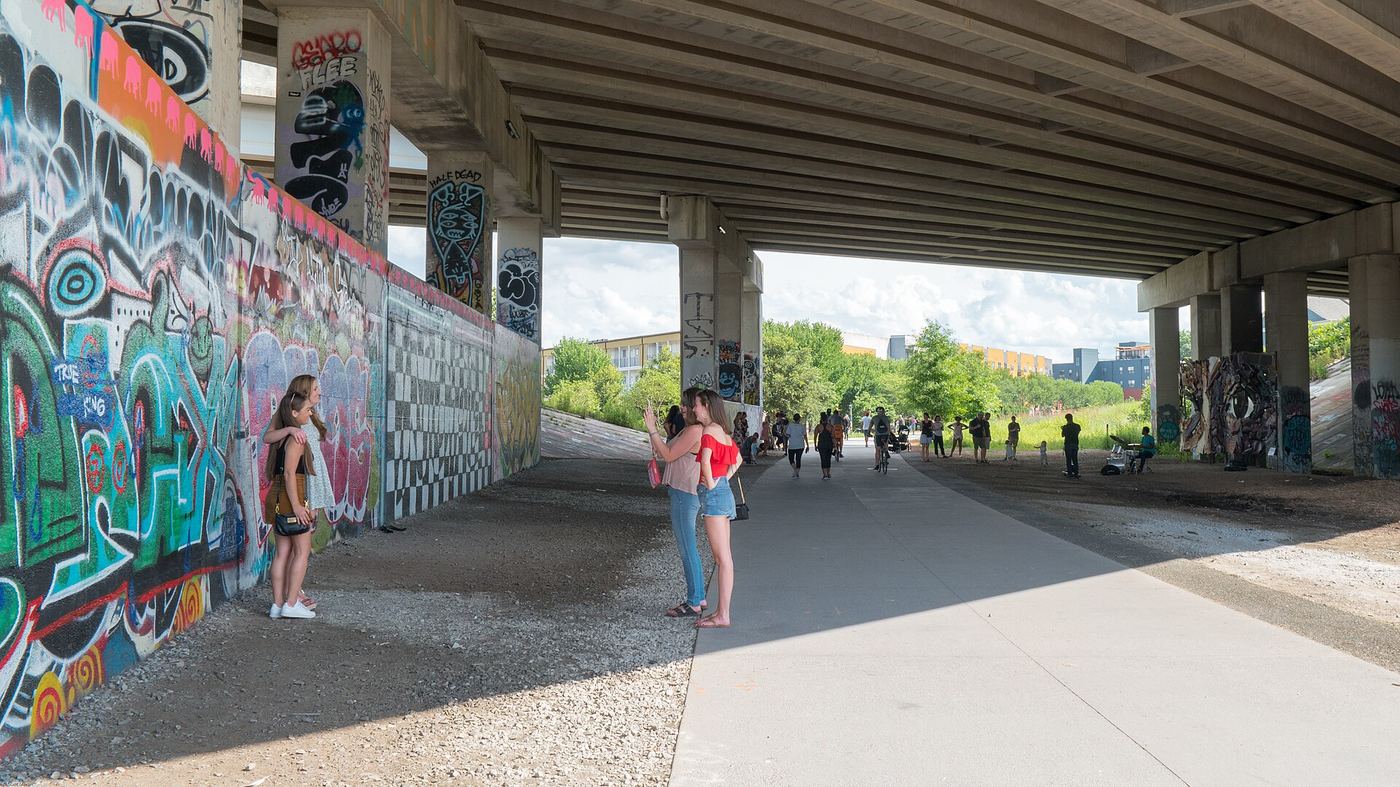
The Eastside Trail through Old Fourth Ward carries more foot and bike traffic than any other segment of the BeltLine, linking Ponce City Market, the park and Krog Street Market.
Historic Sweet Auburn, once described as the richest Black business street in America, runs through the southern side, with the Sweet Auburn Curb Market and the Atlanta Daily World and Royal Peacock buildings along it.
Shotgun cottages, restored Victorians, industrial lofts, townhomes and new high-density construction sit within blocks of each other, so the same neighborhood name covers very different products and price points.
Old Fourth Ward reads as one neighborhood from the outside, but the pockets inside it differ meaningfully in scale, character and inventory. Understanding what distinguishes each is the first step in narrowing a search.
The northern edge around Ponce City Market and North Avenue — the densest concentration of new mid-rise residential, lofts and restaurants, and the shortest walk to the trail and the food hall.
The blocks surrounding the park and its lake. Townhomes and condominiums with park frontage, plus older houses on the streets behind, and the skate park and splash pad in the middle of it.
The historic southern corridor around the King park, Ebenezer Baptist and the Curb Market. A National Historic Landmark district with ongoing restoration and infill, and the most historically layered blocks in the neighborhood.
The eastern side running toward Krog Street Market and Inman Park — bungalows, lofts and townhomes, with the strongest walkability to both markets and the tunnel.
Old Fourth Ward has one of the highest restaurant densities in the city, concentrated on Ponce, North Avenue, Edgewood and Auburn. This corridor turns over quickly; the list below leans toward the long-established. Reviewed September 2026.
Ponce Corridor
The neighborhood's dining anchor — a large hall of counters and full-service restaurants in the old Sears building, with the Skyline Park rooftop above.
The Ponce and North Avenue blocks hold a dense mix of bars, breweries and casual restaurants serving the surrounding residential buildings.
North Avenue
The world's largest drive-in, on North Avenue at the neighborhood's western edge since 1928 — an Atlanta landmark more than a restaurant.
Auburn Avenue
A public market operating on Edgewood Avenue since 1918, with produce stalls, butchers and a row of prepared-food counters.
Edgewood Avenue
The bar and late-night strip running east from downtown through the southern side of the neighborhood.
Highland Avenue
The original location of the local bakery and breakfast group, on Highland Avenue near the eastern edge.
Nearby
A short walk or ride south on the BeltLine into Inman Park — a second food hall in a 1920s warehouse.
Ponce City Market is the neighborhood's retail center, with a mix of national and local shops beneath the offices and residences, plus a market hall for groceries and prepared food. The Sweet Auburn Curb Market on Edgewood covers produce, meat and specialty grocers in a building that has served the neighborhood since 1918.
Everyday grocery is handled by the Kroger on Ponce and the stores along Boulevard and Moreland, and Krog Street Market and Little Five Points sit just east for specialty and independent retail. Downtown and Midtown are both minutes away, and Buckhead's malls are a straight run north on Peachtree or MARTA.
Historic Fourth Ward Park is the center of neighborhood recreation: seventeen acres around a retention lake, with an amphitheater, splash pad, playgrounds and the Historic Fourth Ward Skatepark. It doubles as the neighborhood's flood-control infrastructure.
The BeltLine Eastside Trail runs the length of the neighborhood and is the busiest segment of the entire loop, connecting north to Piedmont Park and south through Inman Park and Reynoldstown. Access points are spread along the corridor rather than concentrated at one entrance.
Freedom Park and its PATH trails reach the eastern side, Piedmont Park is a short trail ride north, and the King Historical Park's grounds, reflecting pool and rose garden provide a quieter walk in the southern half of the neighborhood.
Education
Public Elementary, Middle and High Schools
Old Fourth Ward is served by Atlanta Public Schools, split between clusters depending on where in the neighborhood an address sits. Confirm the attendance zone with APS for any specific property.
An APS elementary on Boulevard, serving a large share of the neighborhood.
The cluster middle school on Randolph Street, reopened in 2020 in the restored historic Howard building where Martin Luther King Jr. was once a student.
The cluster high school on Charles Allen Drive serving much of the intown east side.
Independent Schools
Independent options are mostly a short drive north or east rather than inside the neighborhood.
In Midtown, minutes west, serving three-year-olds through sixth grade.
In Druid Hills, east along Ponce — pre-K through twelfth grade.
In Buckhead, a dual-language IB school from preschool through twelfth grade.
Higher Education
Old Fourth Ward is closer to downtown and Midtown campuses than almost any residential neighborhood in the city.
Downtown, immediately west — walkable or one MARTA stop from much of the neighborhood.
In Midtown, a short drive or bike ride west along North Avenue.
The Atlanta University Center, a few minutes southwest of downtown.
East along the Ponce and Clifton corridors, roughly fifteen to twenty minutes by car.
Neighborhood Metrics
Primary ZIP Codes
30312
with portions in 30308 and 30307
County
Fulton
City of Atlanta
Build-Out Period
1890s–present
Active new construction
Predominant Housing
Mixed
Cottages, lofts, townhomes, mid-rise condos
BeltLine
Eastside Trail
The busiest segment of the loop
Landmarks
MLK Jr. NHP
National Park Service site
Sources: National Park Service information for the Martin Luther King Jr. National Historical Park; City of Atlanta zoning and historic district designations; Atlanta Public Schools attendance zone information; Atlanta BeltLine Inc.; Atlanta Department of Parks and Recreation. Business rosters, school boundaries and district rules change — names and figures on this page should be reviewed annually and verified for a specific address before you rely on them in a transaction.
Orientation
Old Fourth Ward runs east of downtown between the Ponce de Leon corridor to the north and the Auburn and Edgewood corridors to the south, reaching east toward Inman Park. The boundaries are conventional rather than official, and the northern edge blends into Poncey-Highland and Midtown.
Ponce City Market
The former Sears building on Ponce — food hall, offices, shops and residences, with BeltLine access at the rear.
Historic Fourth Ward Park
Seventeen acres around a stormwater retention lake, with an amphitheater, splash pad and skate park.
MLK Jr. National Historical Park
Dr. King's birth home, Ebenezer Baptist Church and the King Center, on Auburn Avenue.
BeltLine Eastside Trail
The busiest segment of the entire BeltLine runs the length of the neighborhood.
Sweet Auburn Curb Market
Public market on Edgewood Avenue, operating since 1918.
David T. Howard Middle School
APS middle school in the restored historic Howard building. Confirm the zone for a specific address.
The year in Old Fourth Ward
A neighborhood's calendar tells you more about daily life than any listing sheet. These are the recurring traditions in Old Fourth Ward — dates shift year to year, so confirm with the organizer before planning around one.
June
A two-day outdoor fine-art and craft festival staged in Historic Fourth Ward Park, right against the BeltLine.
Atlanta Foundation for Public Spaces
September
The autumn edition of the same festival, again in Historic Fourth Ward Park, with artist booths, food and live music.
Atlanta Foundation for Public Spaces
Fall
The neighborhood association's tasting fundraiser, featuring restaurants from the surrounding blocks.
Old Fourth Ward Neighborhood Association
December
A free community gathering for residents and local businesses put on by the neighborhood association.
Old Fourth Ward Neighborhood Association
Photographs
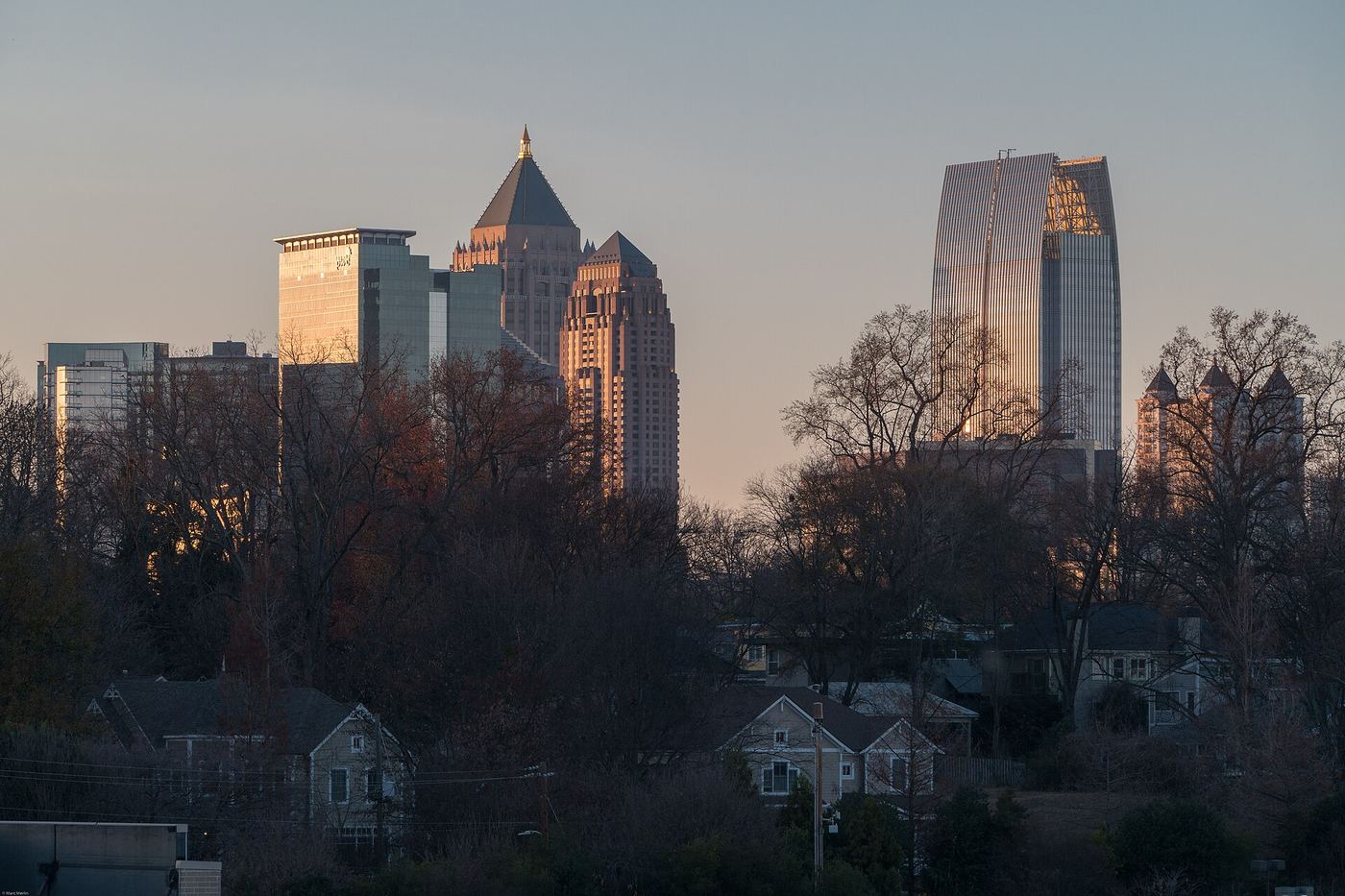
Streets, parks and landmarks in and around Old Fourth Ward — not stock scenery.

Considering Old Fourth Ward?
Buying or selling here rewards local knowledge. Justin brings two decades of Atlanta experience and a design-led eye to every move.
Old Fourth Ward Inquiry
Whether you are considering a specific block, curious about your home's value, or ready to tour, share a few details and Justin will personally reach out.
770.406.6262Old Fourth Ward