Atlanta's First Planned Suburb
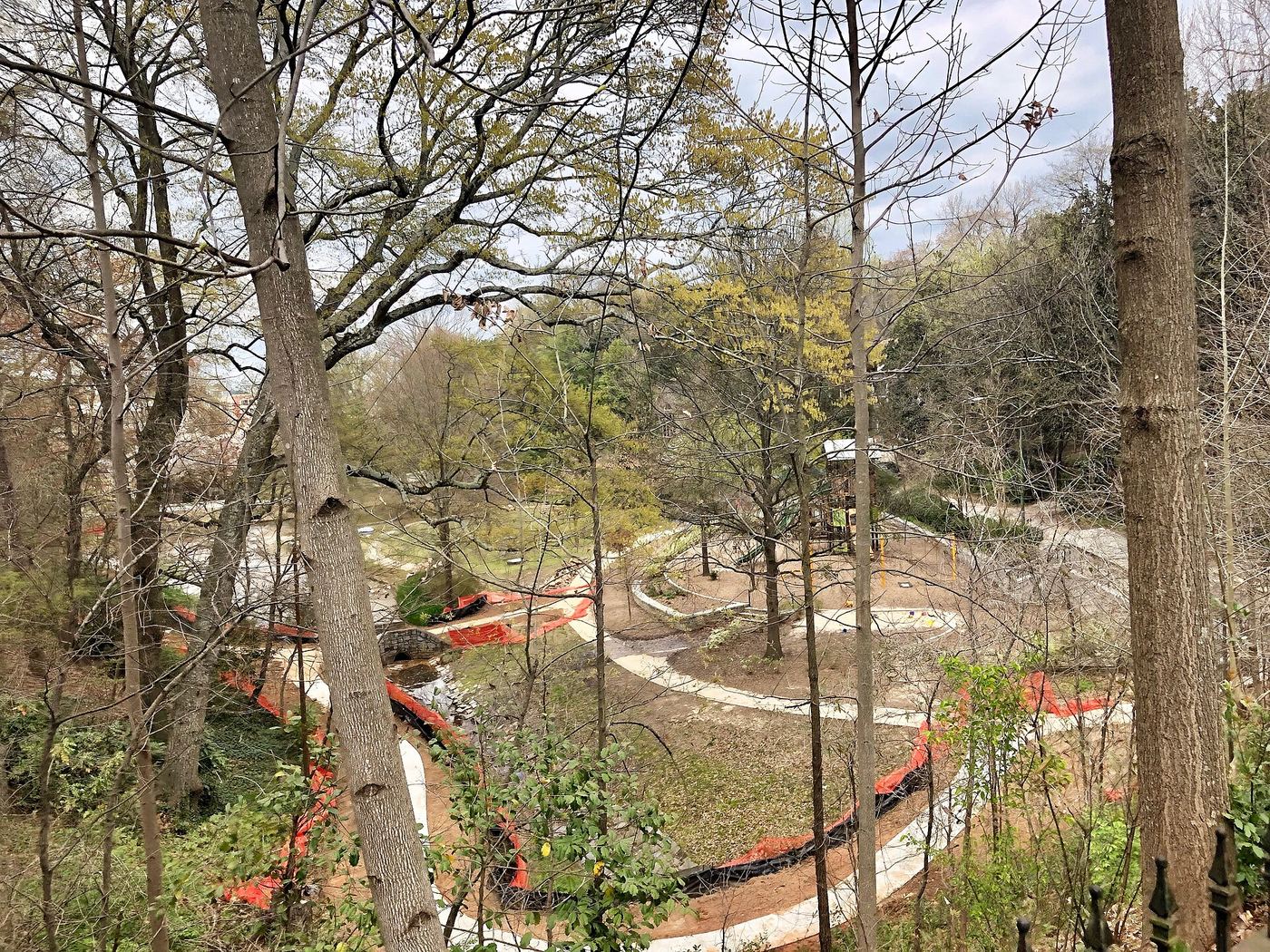
Laid out by Joel Hurt in the late 1880s and served by the city's first electric streetcar line, Inman Park was designed with curving streets and small parks rather than a rigid grid — the plan is still legible today.
Neighborhood Guide
Atlanta's first planned suburb, and still its most architecturally theatrical — Victorian and Queen Anne homes, restored bungalows and BeltLine-era construction within walking distance of Krog Street Market.
Neighborhood Overview
Atlanta's First Planned Suburb, on the BeltLine
Inman Park is Atlanta's first planned suburb, developed by Joel Hurt beginning in the late 1880s and connected to downtown by the city's first electric streetcar line. Its Victorian mansions, curving streets and small parks were built for Atlanta's late-nineteenth-century industrialists, and after decades of decline the neighborhood was famously reclaimed house by house by preservationists starting in the 1970s.
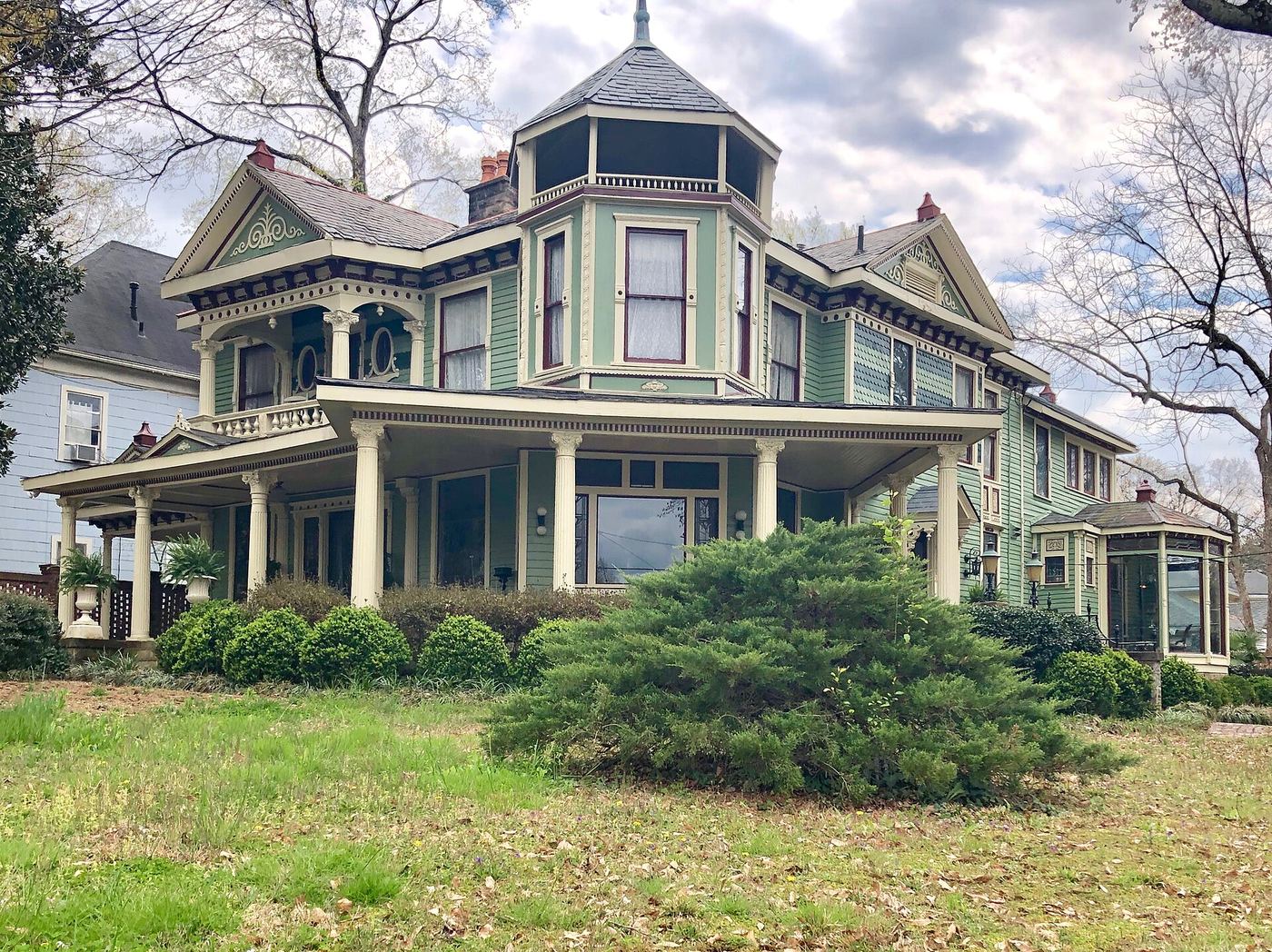
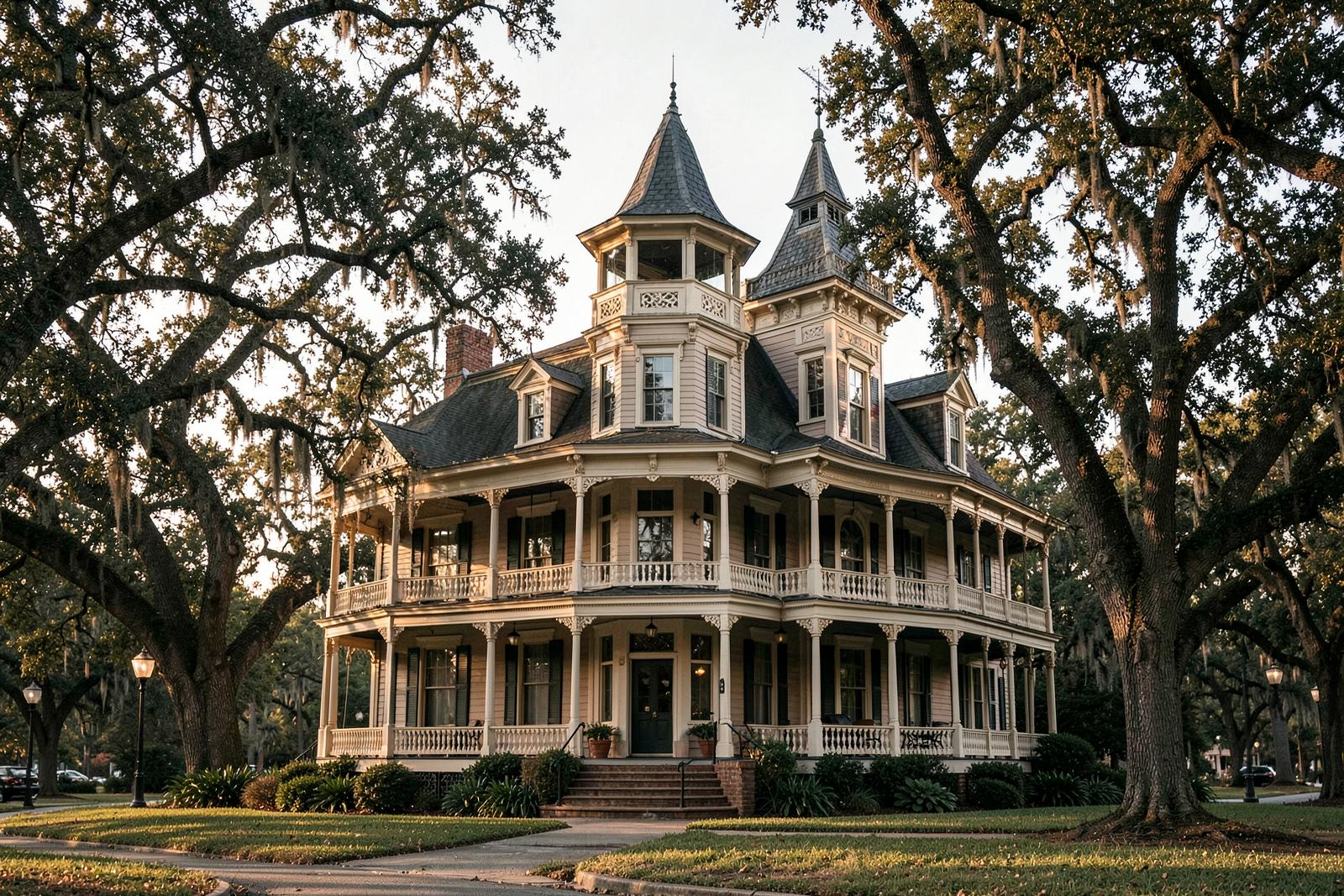
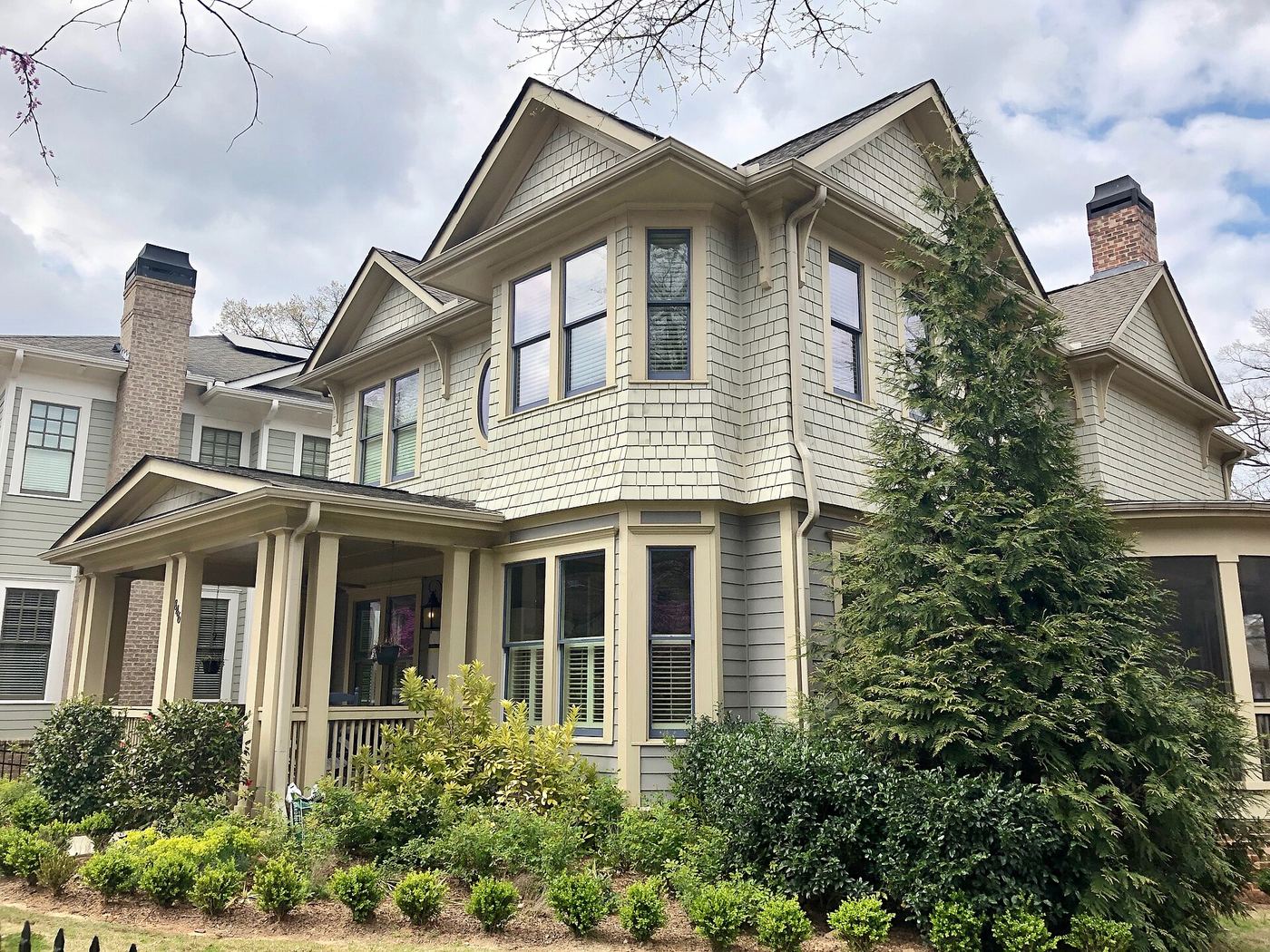
The housing stock is the most architecturally theatrical on the east side: Queen Anne Victorians with turrets and wraparound porches, Craftsman bungalows filling in the later blocks, converted industrial lofts along the rail corridor, and a substantial layer of townhouse and condominium development around the BeltLine and Krog Street. The neighborhood is a designated City of Atlanta historic district, so exterior work in much of it goes through design review.
Location is what has driven the last fifteen years here. The BeltLine Eastside Trail runs directly through the neighborhood, Krog Street Market sits at its center, Ponce City Market is a short walk north on the trail, and the Inman Park/Reynoldstown MARTA station puts downtown and the airport on a train. Very few Atlanta neighborhoods let you live in an 1890s house and still leave the car parked for a week.
Justin Longenbach has worked this corridor since 2006. Buying in Inman Park means understanding historic district review, what a Victorian's mechanical and structural systems actually cost to modernize, and how much of a price difference a block of trail proximity makes. That is exactly the kind of judgment a generic search portal cannot give you.
1890s–1930s
Typical Era
30307
Primary ZIP
Fulton
County
Historic, walkable
Character
Laid out by Joel Hurt in the late 1880s and served by the city's first electric streetcar line, Inman Park was designed with curving streets and small parks rather than a rigid grid — the plan is still legible today.
Queen Anne and Eastlake Victorians with turrets, wraparound porches and elaborate millwork, alongside Craftsman bungalows and later infill. The neighborhood's revival began with preservationists buying and restoring these houses in the 1970s.
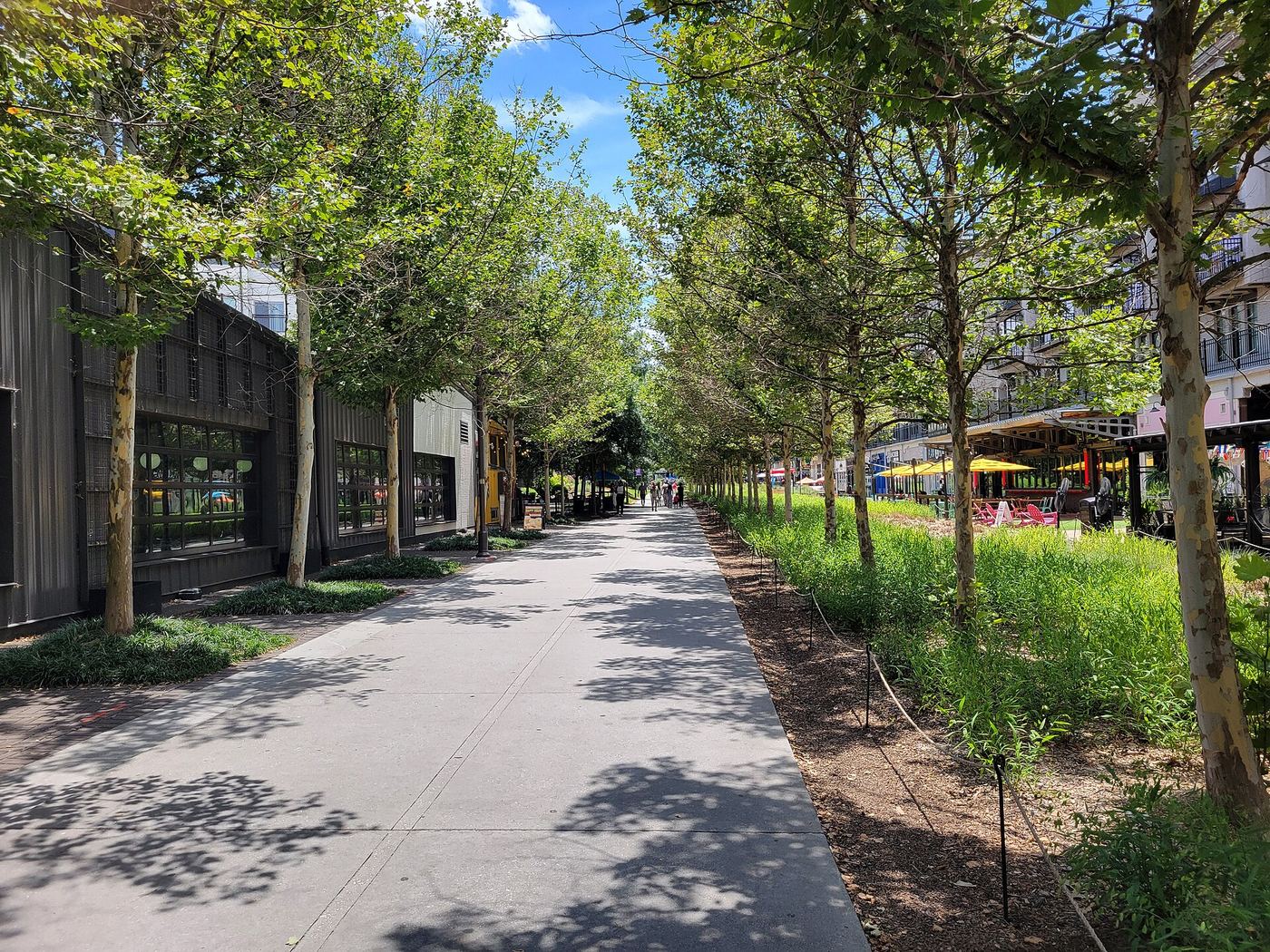
The trail runs through the neighborhood, linking Krog Street Market north to Ponce City Market and Piedmont Park and south toward Reynoldstown and Grant Park. Trail proximity is priced into this market more than anywhere else in the city.
A food hall and shopping destination in a 1920s warehouse at the neighborhood's center, with the Krog Street Tunnel and its rotating street art immediately beside it.
Held each spring since 1971, the festival closes the neighborhood for a tour of homes, a street parade, an artist market and live music — the event that helped define the neighborhood's revival identity.
The Inman Park/Reynoldstown station on the blue and green lines is inside walking distance for much of the neighborhood, with direct rides to downtown, Decatur and Hartsfield-Jackson.
Inman Park reads as one neighborhood from the outside, but the pockets inside it differ meaningfully in scale, character and inventory. Understanding what distinguishes each is the first step in narrowing a search.
The Victorian heart of the neighborhood — the largest and most photographed houses, the small original parks, and the strictest historic review. Walkable to Little Five Points and Krog Street alike.
The commercial and BeltLine center: the market, the tunnel, restaurants and a dense layer of lofts, townhomes and condominiums. The most urban and the most active part of the neighborhood.
Blocks facing Freedom Park and its PATH trails, quieter than the Krog corridor with fast bike access toward Druid Hills, Candler Park and the BeltLine.
The eastern side adjoining Little Five Points — bungalows and smaller Victorians, quick walking access to the record shops, theaters and restaurants of L5P, and a livelier street scene.
Inman Park has one of the strongest restaurant concentrations in Atlanta, much of it clustered around Krog Street and Highland Avenue. Reviewed September 2026 — this corridor turns over faster than most, so confirm before you go.
Krog Street
The 1920s warehouse food hall at the center of the neighborhood, with a rotating roster of counters, a butcher, and full-service restaurants around its edges.
A long-running burger and sandwich counter inside Krog Street Market.
Ford Fry's Tex-Mex restaurant at Krog Street Market, open since the market's early days.
Highland Avenue
A Spanish tapas and wine restaurant with a large patio on Highland Avenue in the Inman Park Village area.
A long-tenured Southern fine-dining room on Highland Avenue, one of the neighborhood's original destination restaurants.
A Fortuna's Italian institution on Highland Avenue, open since the late 1990s.
Coffee
A neighborhood coffee bar on Irwin Street near Krog Street Market.
Little Five Points
The Little Five Points burger institution at the corner of Moreland and Euclid, adults only and unmistakable from the street.
Record shops, the Variety Playhouse, Horizon Theatre, vintage stores and a dense row of casual restaurants and bars at the neighborhood's eastern edge.
Nearby
A ten-minute walk or short bike ride north on the BeltLine Eastside Trail.
Krog Street Market anchors day-to-day shopping with a butcher, specialty grocers and small retail, and the Inman Park Village development on Elizabeth Street adds boutiques, fitness studios and services. Little Five Points, immediately east, is one of the region's best-known independent retail districts — records, vintage clothing, books and oddities.
For groceries, residents use the Publix and Kroger locations along the Moreland and Ponce corridors, with Ponce City Market's market hall a short trail ride north. Anything larger is a quick drive to Midtown or Buckhead.
The BeltLine Eastside Trail is the neighborhood's spine for recreation. It runs directly through Inman Park, with access at several street crossings rather than one entrance, connecting north past Ponce City Market to Piedmont Park and south through Reynoldstown toward Glenwood Park and the Southside Trail extensions.
Freedom Park wraps the northern side with roughly two hundred acres of open space and PATH trails running east toward Druid Hills and Candler Park and west toward the Carter Center. The Carter Presidential Center and its gardens sit on that edge.
Springvale Park, Delta Park and the small original squares inside the historic core provide the neighborhood green space, and Historic Fourth Ward Park with its skate park and splash pad is a short trail ride north.
Education
Public Elementary, Middle and High Schools
Inman Park is served by Atlanta Public Schools. Attendance zones are drawn at the address level and change over time — confirm with APS for any specific property.
The APS elementary serving much of Inman Park, located in Candler Park just east of the neighborhood, and a consistent demand driver for this market.
The cluster middle school in Old Fourth Ward, reopened in 2020 in the restored historic Howard building.
The cluster high school on Charles Allen Drive serving the intown east-side neighborhoods.
Independent Schools
Several independent schools sit within a short drive east and north.
In Druid Hills, minutes east — progressive independent school, pre-K through twelfth grade.
An independent all-girls school serving grades six through twelve, north of the neighborhood.
In Midtown, serving three-year-olds through sixth grade.
Higher Education
Inman Park's MARTA access and central position make it one of the easiest intown neighborhoods for a university or hospital commute.
Downtown, two MARTA stops west from the Inman Park/Reynoldstown station.
Roughly three miles east via Freedom Park and North Decatur Road, with the CDC and Emory hospitals alongside.
In Midtown, a short drive or a BeltLine-and-street ride northwest.
Neighborhood Metrics
Primary ZIP Code
30307
with portions in 30312
County
Fulton
City of Atlanta
Founded
1889
Atlanta's first planned suburb
Predominant Housing
Victorian
plus bungalows, lofts and townhomes
BeltLine
Eastside Trail
Runs through the neighborhood
Transit
MARTA rail
Inman Park/Reynoldstown station
Sources: City of Atlanta historic district designations and zoning information; Atlanta Public Schools attendance zone information; Atlanta BeltLine Inc.; Inman Park Neighborhood Association; MARTA. Business rosters, school boundaries and district rules change — names and figures on this page should be reviewed annually and verified for a specific address before you rely on them in a transaction.
Orientation
Inman Park sits east of Old Fourth Ward, roughly between the BeltLine corridor and Moreland Avenue, with Freedom Parkway to the north and the rail corridor to the south. The edges blend into Poncey-Highland, Candler Park and Reynoldstown, so treat the outline as approximate.
Krog Street Market
Food hall in a 1920s warehouse at the neighborhood's western edge, directly on the BeltLine.
Inman Park Village Dining District
The popular restaurant cluster along North Highland Avenue and Elizabeth Street, centered around Inman Park Village.
Krog Street Tunnel
The graffiti-covered rail tunnel connecting Inman Park to Cabbagetown — an Atlanta landmark.
BeltLine Eastside Trail
Runs along the western side, north toward Ponce City Market and south into Reynoldstown.
Inman Park/Reynoldstown MARTA
Blue and green line rail station on Dekalb Avenue, direct to downtown and Decatur.
Springvale Park
The original 1889 park at the center of the neighborhood, part of Joel Hurt's garden-suburb plan.
Freedom Park & PATH
Large linear park and paved trail system along the northern boundary, connecting toward downtown and Decatur.
The year in Inman Park
A neighborhood's calendar tells you more about daily life than any listing sheet. These are the recurring traditions in Inman Park — dates shift year to year, so confirm with the organizer before planning around one.
Late April
Atlanta's largest all-volunteer festival: a self-guided tour of the neighborhood's Victorians, a long artist market, a parade and three music stages across one weekend. Now past its fiftieth edition.
Inman Park Neighborhood Association
Festival weekend in April
The festival's signature procession down Euclid Avenue, costumed and deliberately unserious, and the single best snapshot of how this neighborhood sees itself.
Inman Park Neighborhood Association
Late summer
Eastside Trail events pull straight through the neighborhood's southern edge, which is a real consideration — good or bad — for houses closest to the trail.
Photographs
Streets, parks and landmarks in and around Inman Park — not stock scenery.

Considering Inman Park?
Buying or selling here rewards local knowledge. Justin brings two decades of Atlanta experience and a design-led eye to every move.
Inman Park Inquiry
Whether you are considering a specific block, curious about your home's value, or ready to tour, share a few details and Justin will personally reach out.
770.406.6262Inman Park